
3D printing: replacement parts and prototypes that do the job.
We measure and redesign the part, specify it for printing, have it made by the right partner in the right material, and check it before it reaches you. Most often: machinery parts that are no longer available, and functional prototypes before tooling.
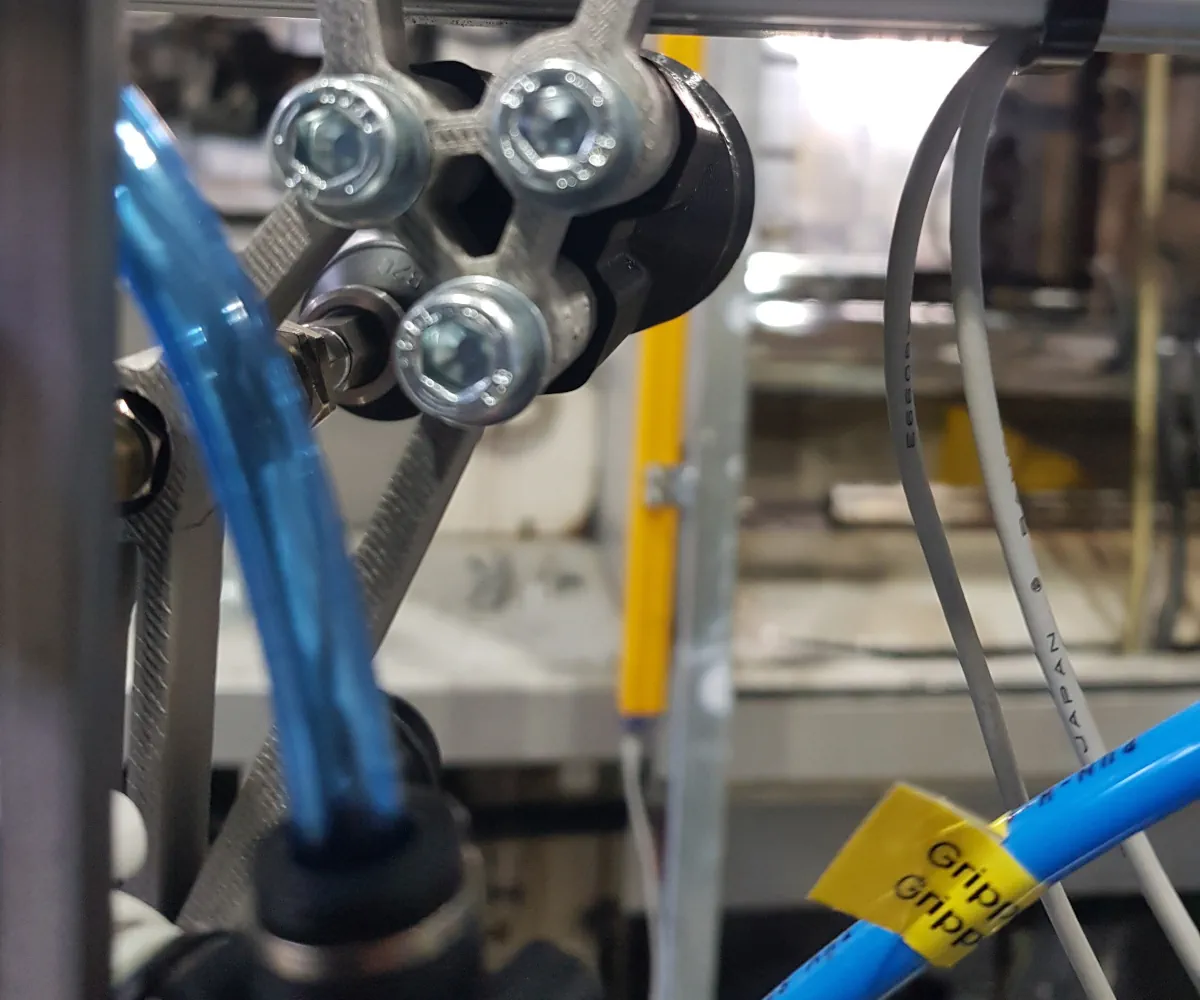
A part that fits and survives the duty, not just a print.
Machinery replacement parts
A broken or worn part, no longer available or with a long lead time, stops a machine. We rebuild it for printing:
Measure and model
Reverse-engineer the geometry and understand the loads, temperature and wear it sees.
Redesign for printing
Wall thickness, orientation, material and tolerances chosen for the printing process, not copied from the original.
Print with the right partner
Polymer or metal, through a print service qualified for that process and material.
Check and deliver
Dimensions and fit checked against the specification before the part reaches the machine.
Functional prototypes
Printed in materials close to the production material, for fit, function and even certification testing before a mould is ordered. For injection-moulded designs we prepare printing variants of the same parts, so the prototype tests the design that will actually be moulded.
Fixtures, grippers and small series
Assembly and inspection fixtures, robot end-of-arm tooling and small series of functional parts where a mould is not justified.
Hands-on experience, including metal.
EfCE's founder set up and ran a Greek 3D-printing service company offering both polymer and metal additive manufacturing. Operating industrial printers every day gives knowledge you do not get from ordering prints:
- Which process and material survive a given duty
- What a printed part's real strength and tolerances are
- What post-processing and finishing it needs
- Where prints fail, and why
Combined with 35 years of designing and producing injection-moulded parts, it means the printed part is designed like a production part: for its process, its material and its job.
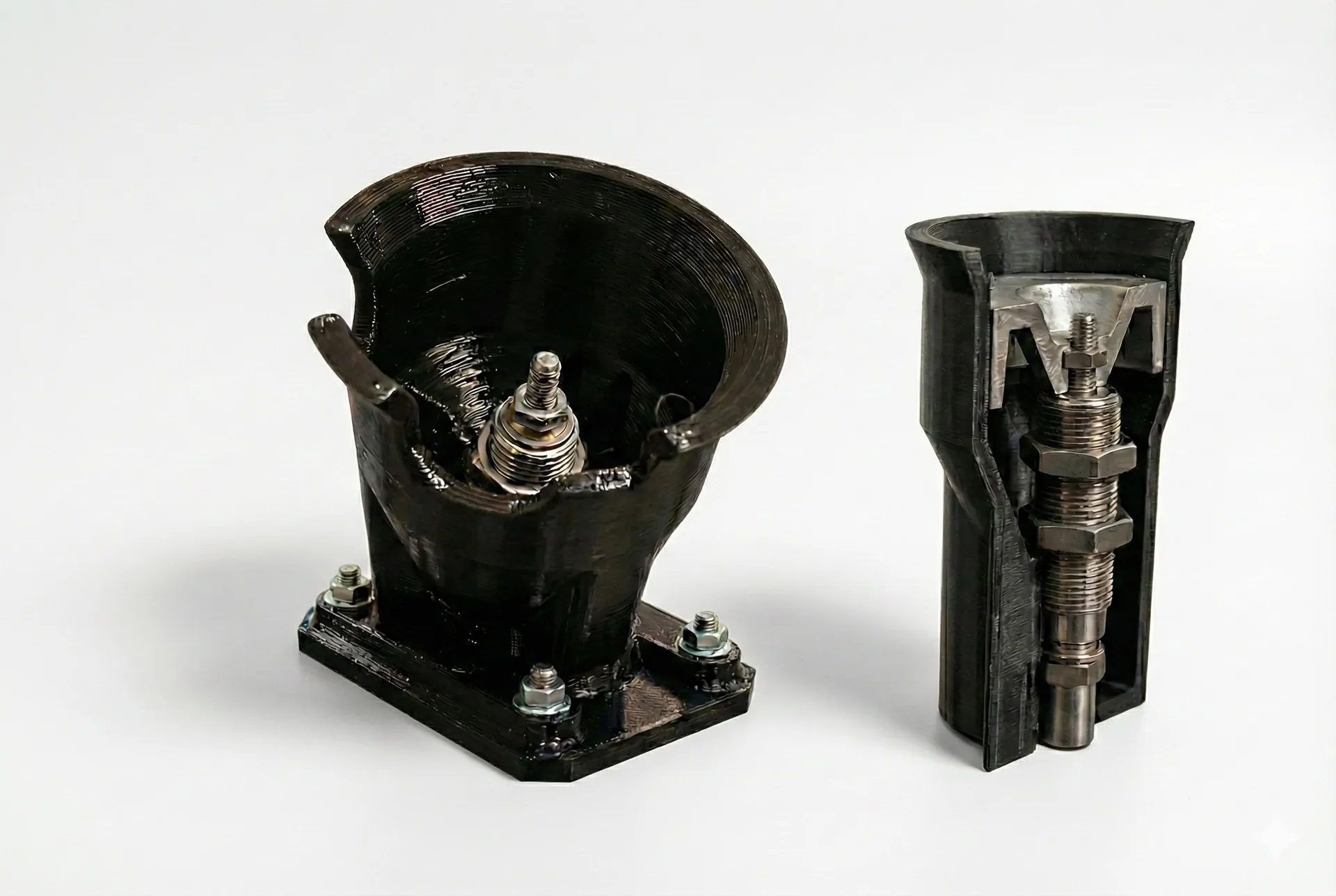
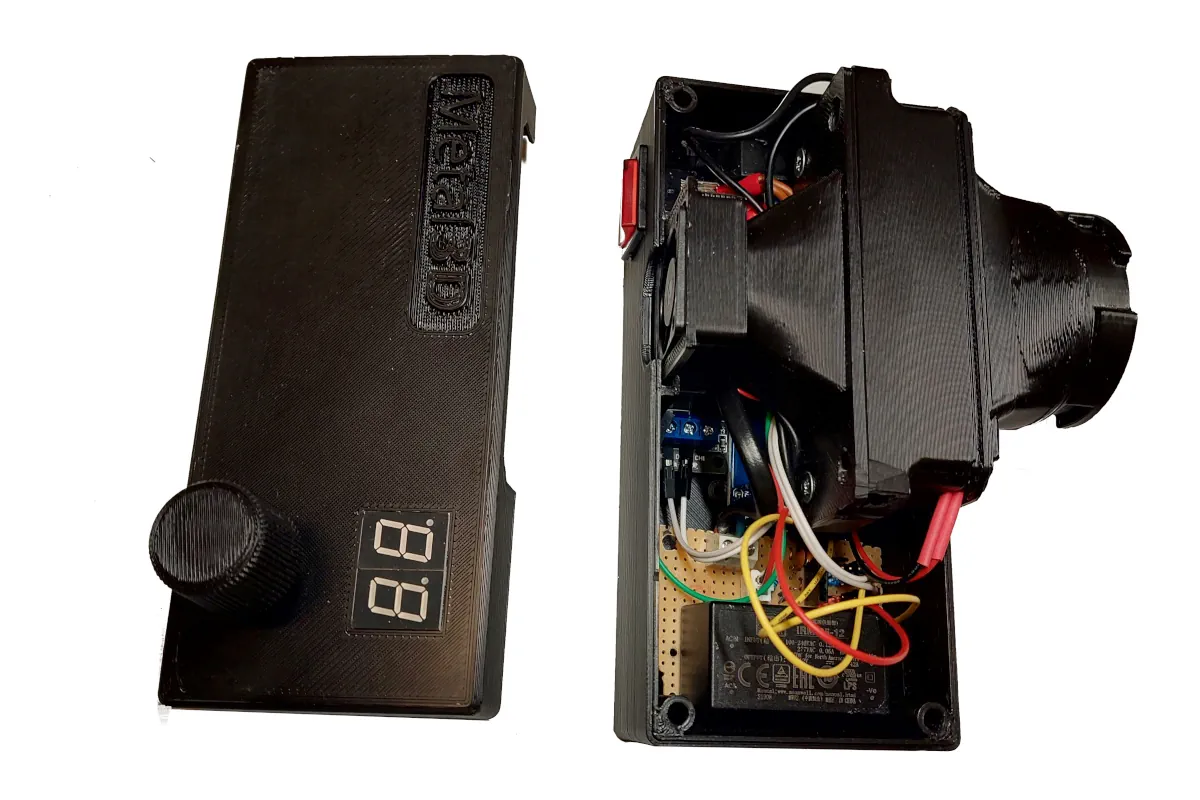
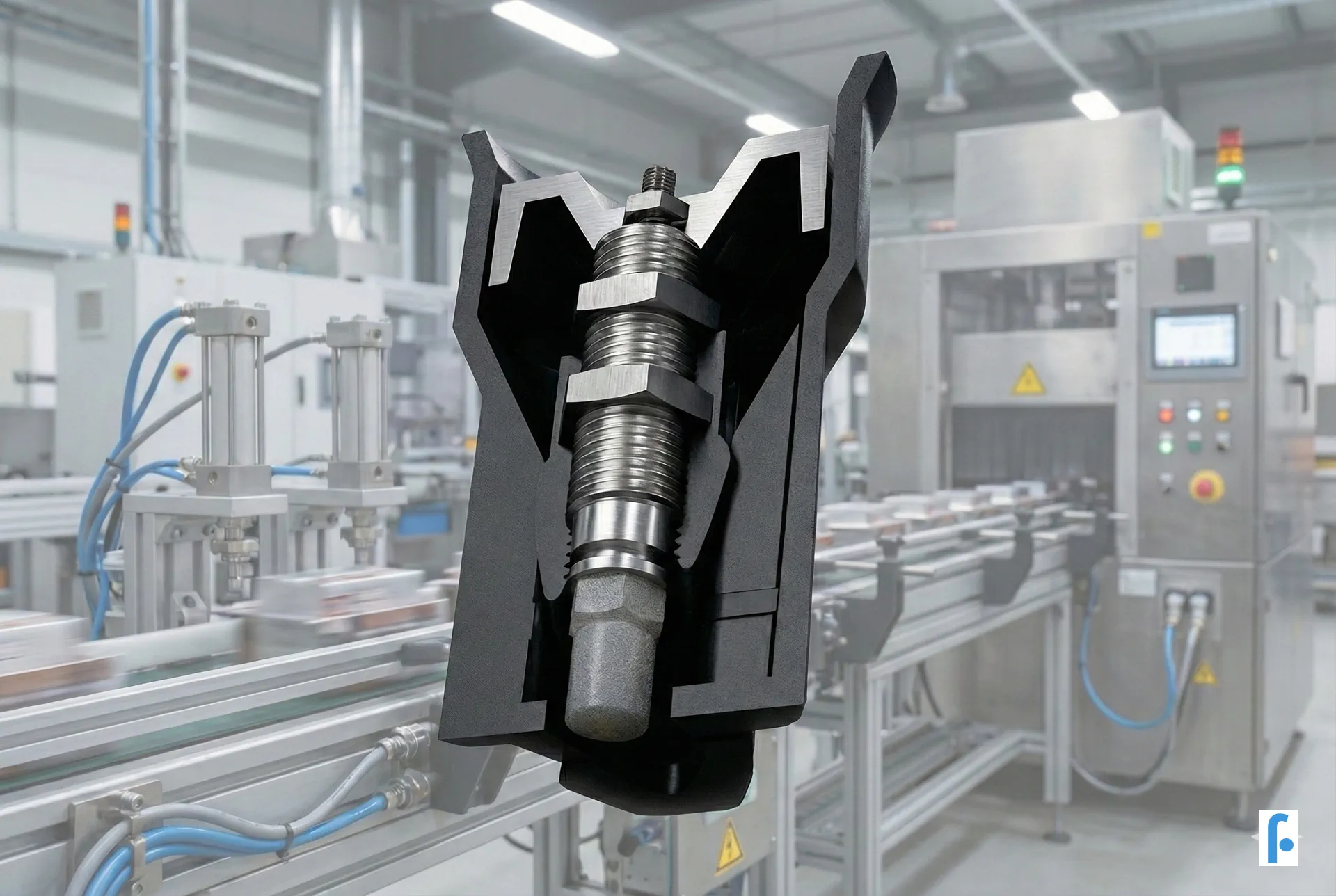
The material is chosen for the job the part has to do.
| Material | Typical use | Notes |
|---|---|---|
| PLA | Visual models and mock-ups | Easy to print; loses strength just above 55 °C and is unsuitable outdoors. |
| PETG | Functional mechanical parts, indoor and outdoor | Tough, more elastic than PLA, heat deflection around 68 °C. |
| ASA | Outdoor parts exposed to sunlight | Excellent UV resistance, heat deflection around 93 °C. |
| Polypropylene | Chemical resistance, living hinges, lightweight parts | Good fatigue and wear resistance; the same family as many moulded parts. |
| Engineering polymers | Higher loads and temperatures | Polyamides, polycarbonate and fibre-reinforced grades, chosen to match the duty. |
| Resins (SLA / DLP) | Fine detail and smooth surfaces | Cosmetic models and small precise parts; tough and high-temperature grades exist. |
| Metals | Metal parts where machining is impractical | Through specialised metal additive partners, with post-machining where tolerances require it. |
Discuss your engineering problem.
Tell us what you are developing, changing or trying to fix. We first look at the engineering question, then say plainly what is worth doing: a calculation, a design review, a test, a simulation, or a combination.