Product engineering
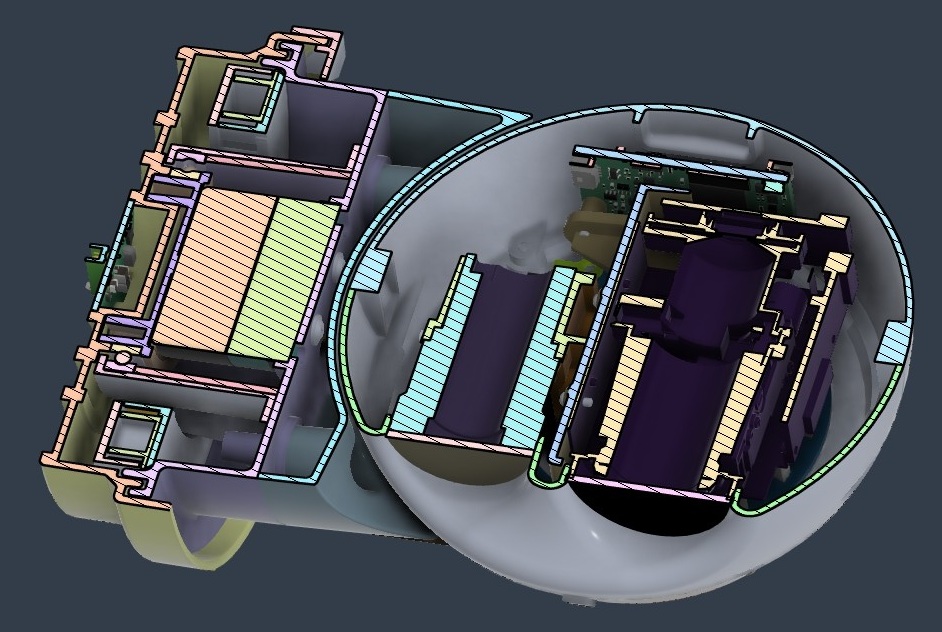
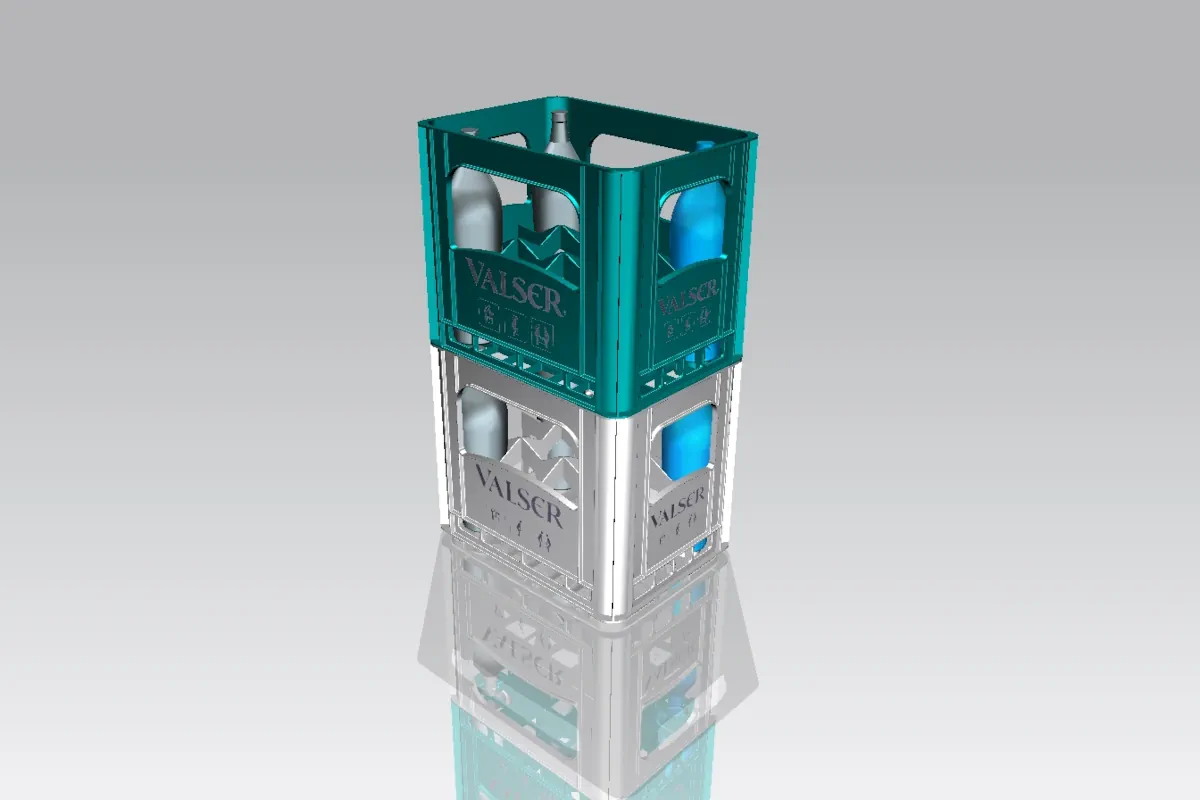
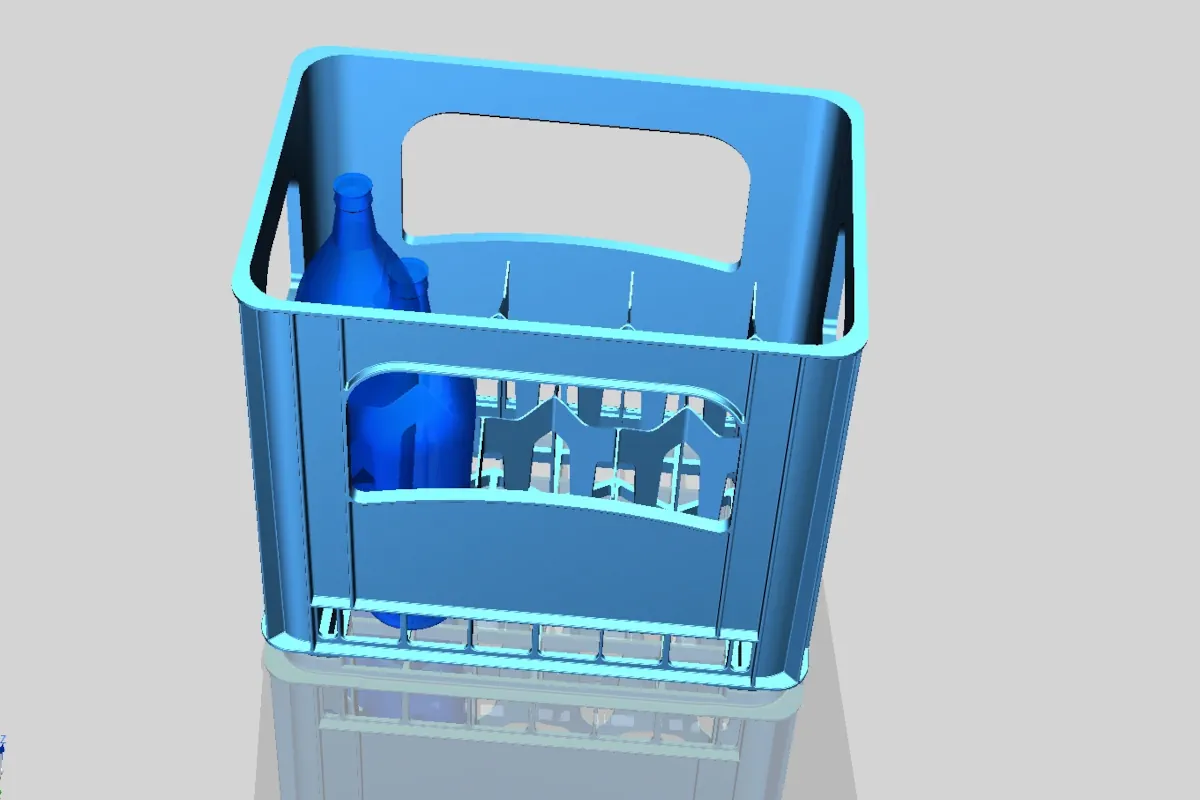
A 3-axis gimbal for serial production
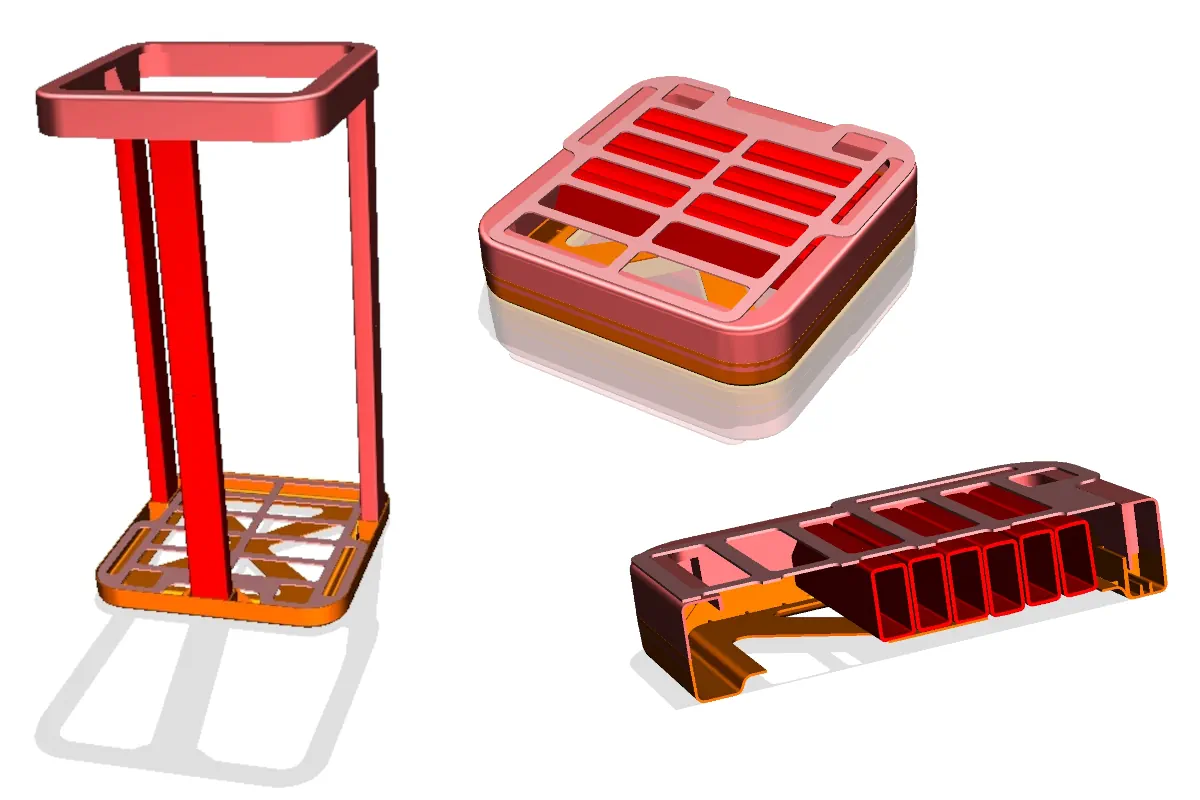
Parts designed for injection moulding, checked with FEA before tooling is committed.
See the project

From the technical idea to a product ready for production. Parts and assemblies designed with their function, material, cost and manufacturing method analysed at the same time.
Most development problems do not show on the screen. A part that looks right in CAD may need an expensive mould, may warp, may not assemble reliably, or may cost more than the product can carry. These are discovered late, when every change is expensive.
We design with the production method, the material and the cost on the table from the first sketch, so the decisions that fix the product's cost are taken knowingly.
Our deepest expertise is in plastic parts and assemblies. For other processes we design to the process rules and work directly with the supplier who will make the part.
Production-ready 3D models, drawings, engineering checks and a report with the design specifications.
We review and advise, so the parts your team models can be made reliably and economically.
Styling, branding or graphic design. Where a product needs an industrial designer for its appearance, we work alongside one.
Parts and assemblies, mechanisms, parametric 3D models and manufacturing drawings, designed for the specific process that will make them.
The most reliable and economical process for the part's requirements, its complexity and the production volume.
Material and process selectionParametric 3D models with manufacturing accuracy, assembly verification and motion checks of mechanisms.
Drawings with the tolerances that matter for function and assembly, and renders where the product has to be shown before it exists.
Structural analysis where the question needs more than a hand calculation.
Strength and performance analysisWall thickness, draft, ribs, parting line and joining methods settled while changes are still cheap.
DfMMake-vs-buy, local or overseas manufacturing, and reliable suppliers for tools, materials and standard components.
Processes we design for Injection moulding · Pressure die-casting · CNC machining · Sheet metal · Composites · Rubber parts · 3D printing
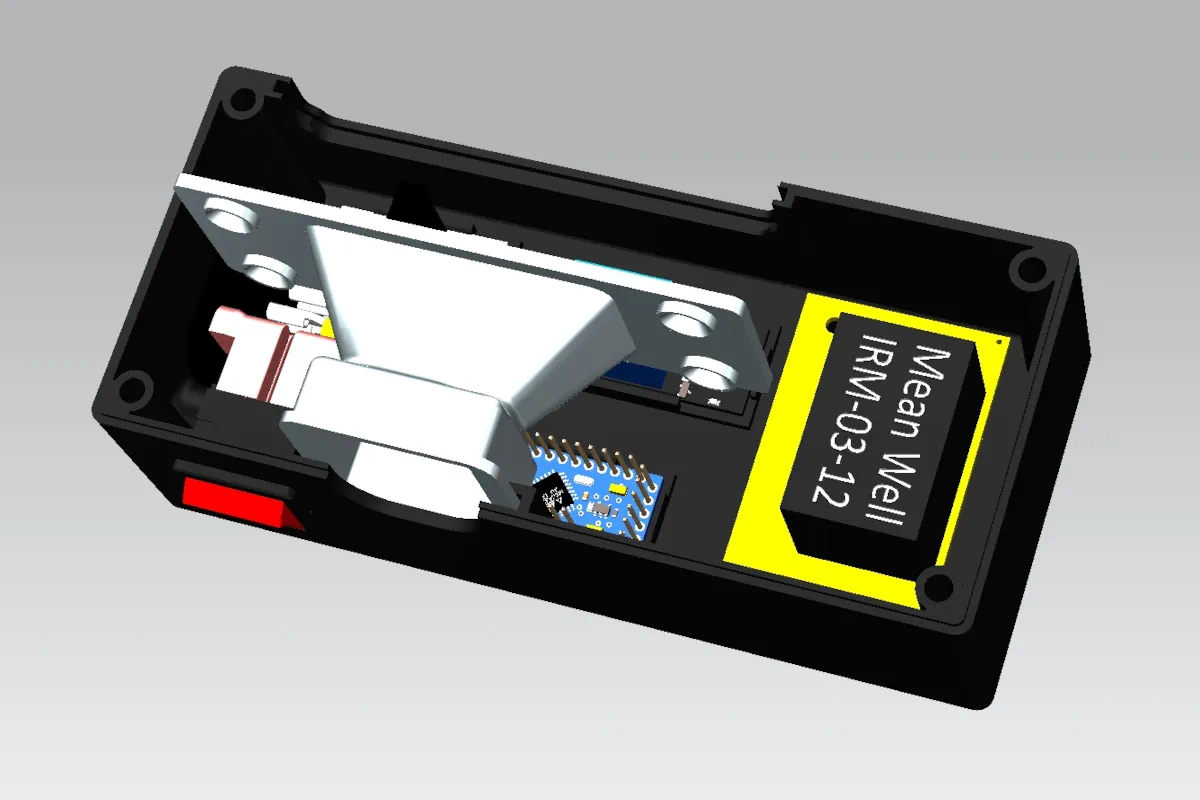
A prototype is worth making when it answers a question the model cannot. We choose the kind of prototype by the question:
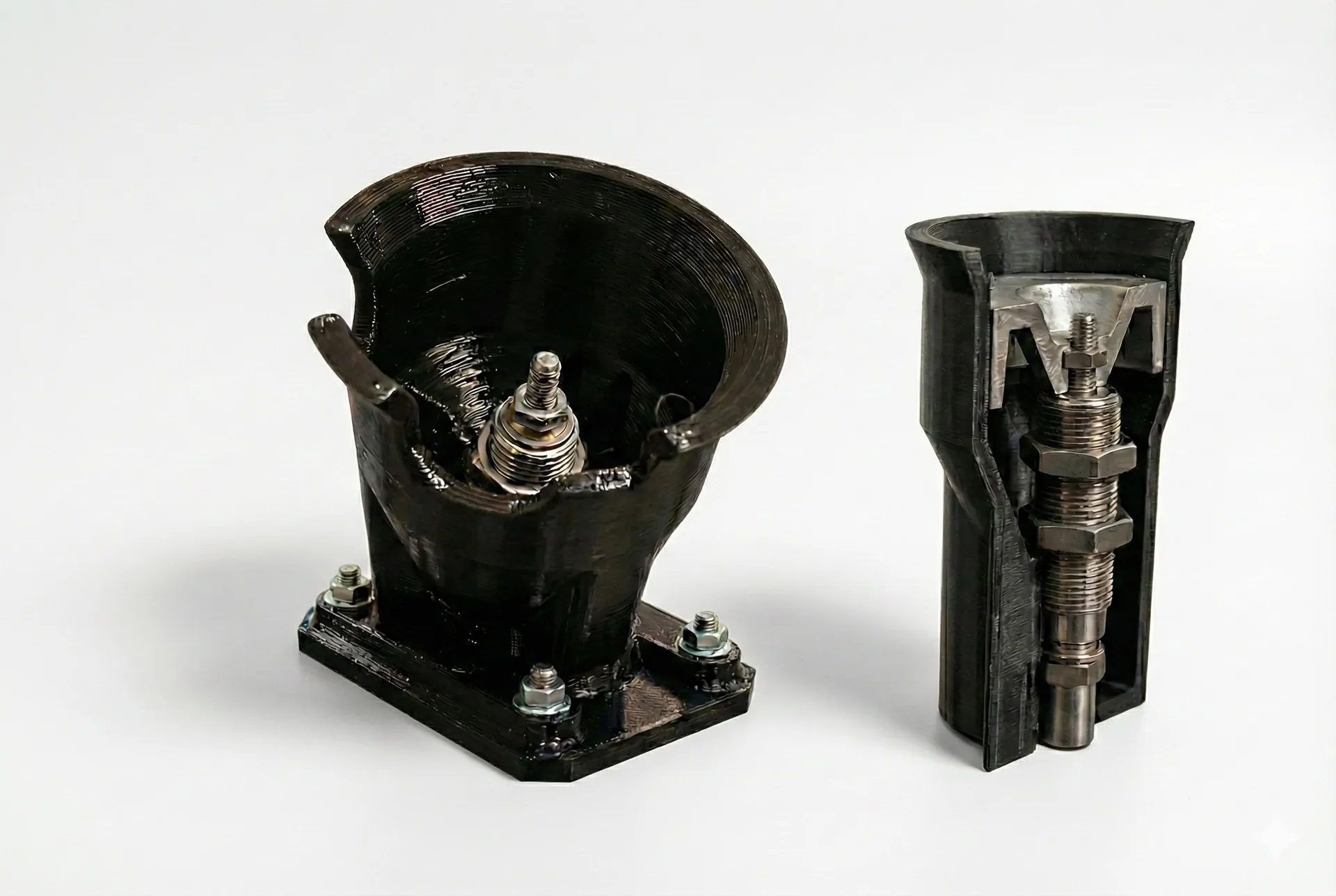
Prototypes, special parts and auxiliary or functional parts: fixtures, grippers, and machinery parts that are no longer available. We measure and redesign the part for printing, specify it, have it printed in polymer or metal by the right partner, and check it before it reaches you.
efce's founder set up and ran a Greek 3D-printing service company with polymer and metal printers. That is where the practical knowledge comes from: which process and material survive a given duty, what a printed part's real strength and tolerances are, what finishing it needs, and where prints fail.
| Material | Typical use | Notes |
|---|---|---|
| PLA | Visual models and mock-ups | Easy to print; loses strength just above 55 °C and is unsuitable outdoors. |
| PETG | Functional mechanical parts, indoor and outdoor | Tough, more elastic than PLA, heat deflection around 68 °C. |
| ASA | Outdoor parts exposed to sunlight | Excellent UV resistance, heat deflection around 93 °C. |
| Polypropylene | Chemical resistance, living hinges, lightweight parts | Good fatigue and wear resistance; the same family as many moulded parts. |
| Engineering polymers | Higher loads and temperatures | Polyamides, polycarbonate and fibre-reinforced grades, chosen to match the duty. |
| Resins (SLA / DLP) | Fine detail and smooth surfaces | Cosmetic models and small precise parts; tough and high-temperature grades exist. |
| Metals | Metal parts where machining is impractical | Through specialised metal additive partners, with post-machining where tolerances require it. |
Function, loads, environment, standards, target cost and expected quantities.
Alternative concepts compared, with the manufacturing method and material chosen early.
3D models, assembly and tolerance checks, and analysis where the question needs it.
The questions the model cannot answer are answered on real parts.
Final models, drawings and specifications for the toolmaker and suppliers, and support until the first parts are approved.
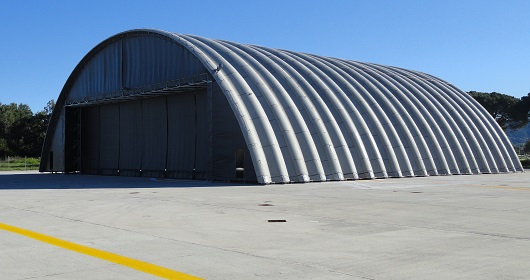
Transportable composite hangar, a product of DASYC SA. Nikos Efentakis invented it and patented the invention, designed the production line, took charge of production, designed the assembly method and the special assembly fixtures, and supervised the installation of three hangars for the Hellenic Air Force.
Invention → Patent → Production line → Production → Assembly method → Installation
Tell us what the product has to do, the quantities you expect and what exists so far: sketches, a previous version, a competitor's product. We will tell you plainly how we would take it to production.