Product engineering
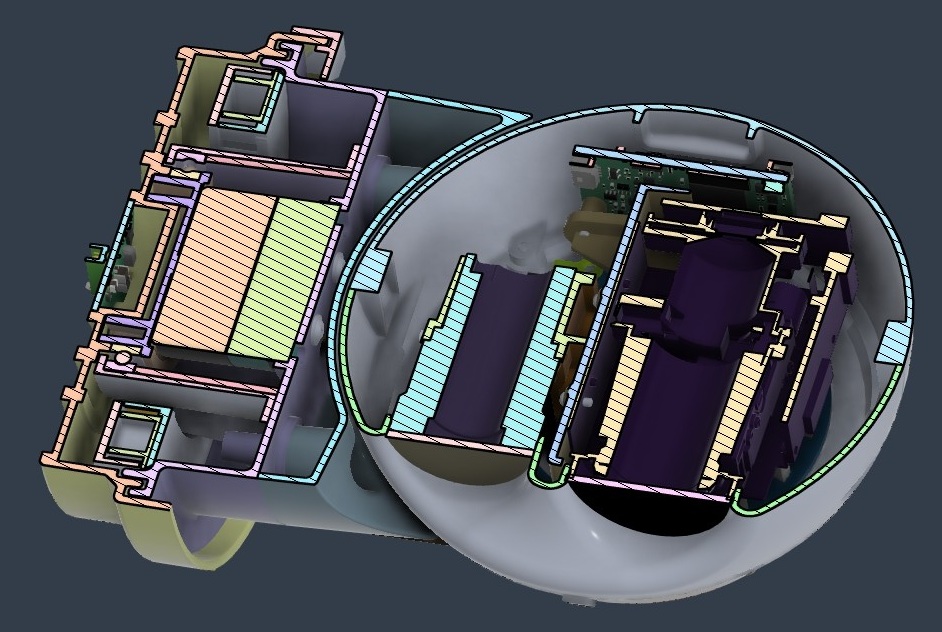
A 3-axis gimbal for serial production
Parts designed for injection moulding, checked with FEA before tooling is committed.
See the project

The same product can be designed with different materials and made by different processes. We choose the solution by the requirements of use, the production volume, the cost and what can really be produced reliably.
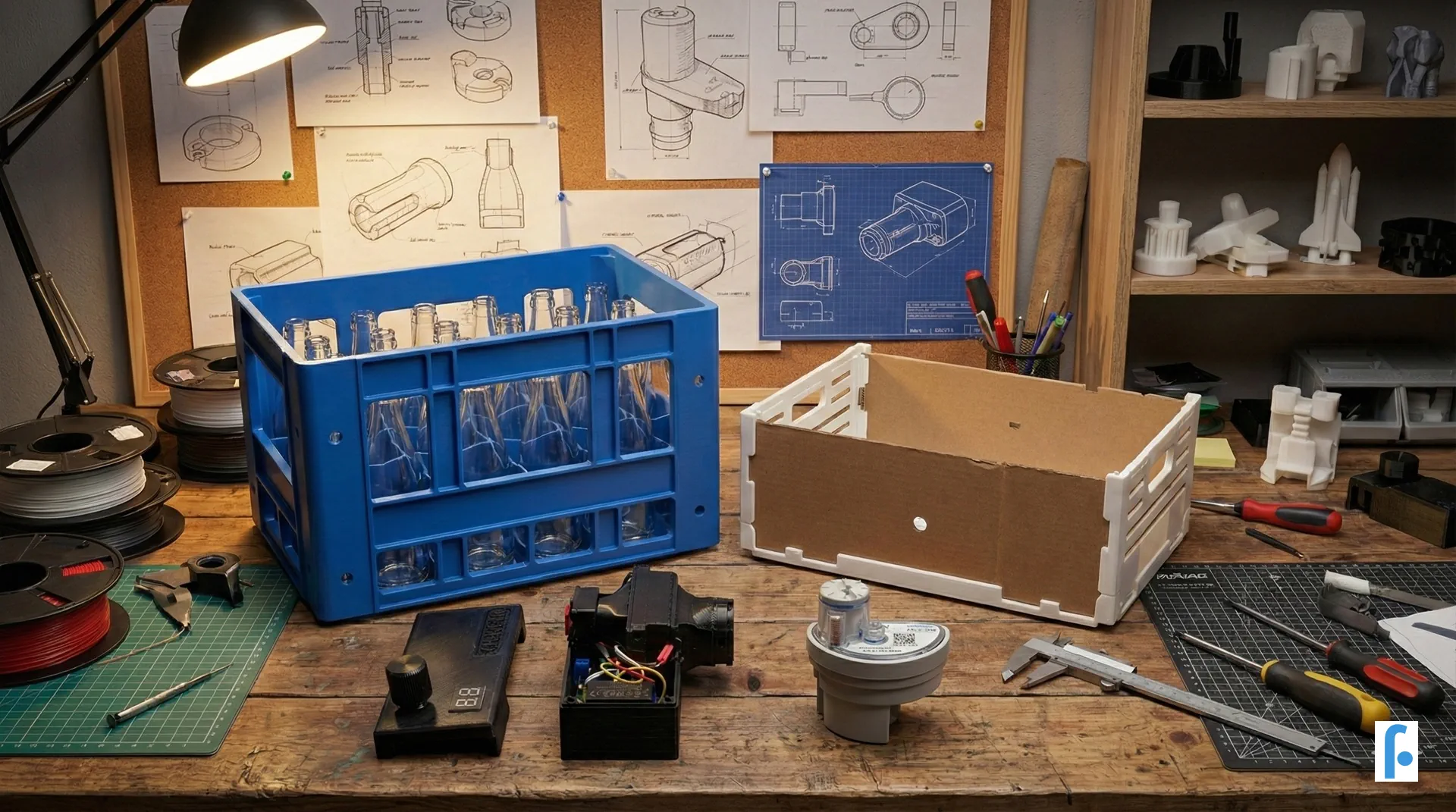
Material and process are chosen together. A part in an engineering plastic may need an expensive mould but cost little per piece; the same part machined needs no mould but costs more each time. A composite may save weight but change the whole production. The right answer depends on the volume, the duty and the budget, not on habit.
Common mistakes are a material chosen because a supplier offered it, a grade far above what the duty needs, or a process that suits the prototype but not the series.
We do not have our own materials laboratory, we do not certify materials and we do not sell materials. Where characterisation or certification is needed, we specify it and work with a suitable laboratory.
From commodity polymers such as polypropylene and polystyrene to engineering plastics: polycarbonate, polyamides, thermoplastic polyesters, in flame-retardant and glass-reinforced grades, and extreme materials such as PEEK, PEI, PPS, PPSU and PVDF.
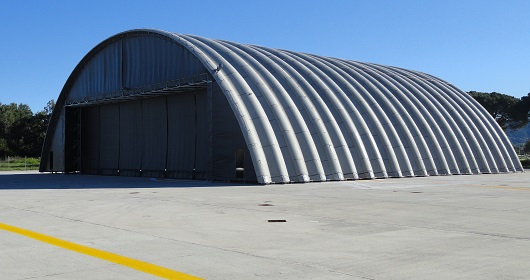
BMC moulding, introduced to Greece by efce's founder, and composite structures by RTM, as in the patented transportable hangar.
Pressure die-casting, CNC machining and sheet metal, designed to the process rules together with the supplier who will make the part, and 3D printing in polymers and metals.
Demanding requirements we design for Electrical safety · Flame retardancy · Outdoor weathering and UV · Airtightness and sealing · High temperature · Hydrolysis and chemical resistance
Loads, temperature, environment, standards, appearance and service life.
How many parts, how fast they ramp up, and what the product can carry.
Combinations of material and process that meet the requirements, including make-vs-buy.
Tooling investment, unit cost, risk and lead time side by side, and a clear recommendation.
Technical evaluation of the suppliers who will make the part or supply the material.
Transportable composite hangar, a product of DASYC SA. Nikos Efentakis invented it and patented the invention, designed the production line, took charge of production, designed the assembly method and the special assembly fixtures, and supervised the installation of three hangars for the Hellenic Air Force.
Invention → Patent → Production line → Production → Assembly method → Installation
Tell us what the part has to do, where it will be used and how many you expect to make. We will compare the realistic options with you, including the ones you had not considered.